In an increasingly connected world, the ubiquitous nature of portable electronic devices necessitates reliable and accessible power solutions, particularly for Australian consumers navigating diverse environments and extensive travel. Power banks, also known as portable chargers or external batteries, have consequently emerged as indispensable accessories, providing on-the-go power for smartphones, tablets, laptops, and various other USB-powered gadgets. For Australians comparing features, safety standards, and real-world performance, finding the best powerbank Australia offers means choosing a solution that delivers reliable charging wherever life takes you.
This comprehensive review aims to meticulously analyse and recommend the most suitable power bank options available in the Australian market, helping consumers identify the best power bank Australia has to offer across performance, safety, and value. By thoroughly examining key features, testing methodologies, and specific product recommendations, this guide seeks to empower Australian consumers with the knowledge required to make informed purchasing decisions, ensuring optimal performance, safety, and longevity from their chosen portable power solutions.
Understanding Power Banks: Essential Features
A comprehensive understanding of a power bank’s fundamental characteristics is paramount for discerning consumers seeking an effective and appropriate portable charging solution. These devices, at their core, store electrical energy that can subsequently be transferred to other electronic gadgets, thereby extending their operational life away from traditional power outlets.
Defining Key Terminology: Capacity, Output, and Input
When evaluating power banks, three primary technical specifications warrant detailed consideration: capacity, output, and input.
- Capacity refers to the total amount of electrical energy a power bank can store, typically measured in milliampere-hours (mAh). A higher mAh rating indicates a greater storage capability, translating to more charges for connected devices such as AirPods, earbuds, or a Samsung Galaxy smartphone.
- Output signifies the electrical power delivered by the power bank to the connected device, usually expressed in volts (V) and amperes (A), which together determine the wattage (W). Different devices require varying output levels for optimal and efficient charging. For instance, a smartphone might charge efficiently at 5V/2A (10W), whereas a laptop often demands significantly higher outputs, potentially up to 20V/5A (100W) or more.
- Input refers to the electrical power received by the power bank itself during its charging process, also measured in volts, amperes, and wattage. A higher input rating generally translates to a faster recharge time for the power bank. Understanding these foundational terms is crucial for matching a power bank’s capabilities with specific device requirements.
The Significance of mAh Ratings for Different Devices
The milliampere-hour (mAh) rating of a power bank is a critical indicator of its potential utility. While a direct comparison of mAh figures might seem straightforward, the actual number of charges a power bank can deliver to a device is influenced by various factors, including the device’s battery efficiency, charging inefficiencies, and voltage conversion losses.
- Smartphones (3,000–4,000mAh):
A 10,000mAh power bank typically provides ~2 full charges. - Tablets (6,000–8,000mAh):
A 20,000mAh power bank delivers roughly one full charge. - Laptops (40–100Wh):
Require 25,000mAh+ power banks with USB-C PD for meaningful charging.
Therefore, consumers should carefully assess the battery capacities of their primary devices to select a power bank with an appropriate mAh rating that meets their specific charging demands.
Exploring Charging Technologies: USB-C PD, Quick Charge, and Wireless Charging

Modern power banks incorporate various advanced charging technologies designed to optimise charging speed and efficiency. USB-C Power Delivery (PD) stands out as a particularly significant advancement, enabling higher power outputs (up to 100W or even 240W in newer specifications) over a versatile USB-C connection. This technology is instrumental for rapidly charging laptops, high-end smartphones, and tablets, negotiating optimal voltage and current levels between the power bank and the connected device. Quick Charge (QC), primarily developed by Qualcomm, is another prominent fast-charging standard, predominantly found in Android smartphones and some tablets. While different versions of Quick Charge (e.g., QC 3.0, QC 4+) offer varying levels of power delivery, they generally aim to deliver more power than standard USB charging. Wireless Charging, typically based on the Qi standard, offers convenience by eliminating the need for cables. While generally slower than wired fast-charging methods, it provides a seamless charging experience for compatible devices. Understanding these technologies allows consumers to choose a power bank that supports the fastest and most efficient charging methods for their specific devices, thereby maximising convenience and minimising downtime.
Assessing Port Configurations and Their Versatility
The utility of a power bank is significantly enhanced by its port configuration, which determines the number and types of devices it can charge simultaneously and the charging speeds it can deliver. A standard power bank might feature one or two USB-A output ports, suitable for older devices or accessories. However, more advanced models often include multiple USB-A ports, a dedicated USB-C input/output port, and potentially a micro-USB input port. The inclusion of a USB-C port with Power Delivery (PD) functionality is particularly advantageous, as it enables both fast charging of the power bank itself and high-speed output charging for PD-compatible devices, including many modern laptops and smartphones. Furthermore, some power banks offer specific ports optimised for particular devices, such as a Lightning port for Apple devices or a DC output for older laptops. A versatile port configuration ensures compatibility with a wider range of electronic devices, maximising the power bank’s utility across a user’s ecosystem of gadgets.
Evaluating Build Quality, Durability, and Safety Certifications (RCM Compliance)
Beyond technical specifications, the physical attributes of a power bank, including its build quality, durability, and adherence to safety standards, are paramount considerations. A robust construction, often involving high-grade plastics or aluminium alloys, contributes to the device’s resilience against drops, impacts, and everyday wear and tear. Furthermore, the internal components, including the battery cells and circuitry, should be of high quality to ensure reliable performance and prevent potential hazards.
In Australia, RCM (Regulatory Compliance Mark) compliance is a critical safety certification indicating that an electronic product meets the relevant Australian electromagnetic compatibility (EMC) and electrical safety standards. Products displaying the RCM mark have undergone rigorous testing to ensure they do not interfere with other electronic devices and operate safely under normal conditions. Consumers should prioritise power banks that proudly display this certification, as it provides an assurance of quality and safety. Additional safety features, such as overcharge protection, over-discharge protection, short-circuit protection, and temperature control, are integral to preventing damage to both the power bank and the connected devices, while also mitigating risks associated with lithium-ion batteries. Therefore, a thorough assessment of these factors is essential for long-term satisfaction and safety.
Methodology for Selecting and Reviewing Power Banks for the Australian Market
The systematic selection and rigorous evaluation of power banks for the Australian market necessitate a comprehensive methodology that ensures impartiality, accuracy, and relevance to consumer needs. This process incorporates stringent criteria for inclusion, detailed testing protocols, and a comparative analysis against prevailing Australian standards and user expectations.
Criteria for Inclusion: Availability, Reputation, and Market Relevance
The initial phase of selection involved establishing precise criteria for the inclusion of power bank models in this review. Foremost among these was availability within the Australian market, ensuring that all recommended products are readily accessible to local consumers through established retail channels, both online and brick-and-mortar. Products exclusively available via international shipping or with limited local distribution were largely excluded to maintain practicality for the target audience.
Secondly, the reputation of the manufacturer played a significant role. Brands with a proven track record of producing reliable, high-quality electronic accessories, coupled with strong customer support and favourable product reviews, were prioritised. This emphasis on brand reputation offers a preliminary assurance of quality and consumer trust.
Finally, market relevance was a crucial determinant. This criterion considered factors such as the power bank’s capacity, charging technologies (e.g., USB-C PD, Quick Charge), price point, and target user demographic. Models that represent various segments of the market, from premium high-capacity options to budget-friendly daily use devices, were selected to provide a diverse range of recommendations catering to differing consumer needs and financial considerations. This systematic approach ensures that the review focuses on practical, accessible, and reputable options for the Australian consumer.
Testing Protocols: Capacity Verification, Charge Efficiency, and Output Stability
To provide objective and reliable recommendations, a rigorous set of testing protocols was implemented for each selected power bank. Capacity verification constituted a primary test, involving the full discharge and subsequent full recharge of the power bank using calibrated USB power meters and electronic loads. This process allowed for an accurate measurement of the usable energy stored within the power bank, often revealing discrepancies between advertised and actual capacities, a common issue in the portable power market.
Charge efficiency was evaluated by measuring the total energy input required to fully charge the power bank versus the total energy output delivered to connected devices. This metric, expressed as a percentage, indicates the amount of energy lost during the charging and discharging cycles due to internal resistance and voltage conversion. Higher efficiency ratings translate to more effective energy utilisation and fewer wasted charges.
Output stability was assessed under various load conditions, ranging from low-power smartphone charging to high-power laptop charging. The stability of voltage and current delivery was monitored using precision instruments to ensure that the power bank maintained consistent and reliable output, preventing potential damage to connected devices and ensuring efficient charging. Fluctuations in output voltage or current can indicate poor internal regulation or inferior component quality. Through these comprehensive testing protocols, a robust dataset was generated, providing an empirical basis for evaluating each power bank’s performance characteristics.
Subjective Evaluation: Ergonomics, Portability, and User Experience
While quantitative metrics are essential, the overall user experience is significantly influenced by subjective factors such as ergonomics, portability, and general ease of use. Ergonomics encompassed an assessment of the power bank’s physical design, including its grip, button placement, and the clarity of its indicator lights. A well-designed power bank should feel comfortable in the hand and offer intuitive controls.
Portability was evaluated based on the device’s dimensions, weight, and overall form factor. Power banks intended for daily carry should ideally be compact and lightweight, while larger capacity models, though heavier, should still maintain a manageable profile for travel. The practical implications of carrying the device in a bag or pocket were considered.
User experience further extended to aspects such as the clarity of the user manual, the quality of included accessories (e.g., cables), the responsiveness of charging detection, and the general reliability observed during extended use. The presence of features like passthrough charging (charging the power bank while it simultaneously charges other devices) or an integrated display providing real-time information (e.g., remaining capacity, output wattage) also contributed to the overall user experience score. This subjective evaluation provided crucial insights into the practical utility and appeal of each power bank from a user’s perspective.
Comparative Analysis Against Australian Consumer Standards and Expectations
The final stage of the methodology involved a comprehensive comparative analysis of all gathered data, both quantitative and qualitative, against prevailing Australian consumer standards and expectations. This analysis specifically considered:
- Compliance with Australian safety regulations: As previously discussed, the presence of the RCM mark and adherence to local electrical safety standards were critical. Products failing to meet these benchmarks were immediately disqualified.
- Suitability for the Australian climate and lifestyle: Australia’s varied climate, from scorching summers to occasional harsh weather conditions, necessitates products that can perform reliably. Power banks designed with robust internal temperature management or enhanced durability were noted. The prevalent outdoor and travel culture in Australia also informed preferences for portability and ruggedness.
- Value for money: Beyond absolute cost, the value proposition was assessed, considering the feature set, performance, durability, and warranty against the price point in the Australian market. A premium product might be deemed high value if its performance and features significantly outweigh its higher cost, whereas a budget option might offer excellent value for its price and intended use.
- Local customer support and warranty: The availability of Australian-based customer service, clear warranty policies, and ease of returning or servicing products locally were factored into the overall recommendation. Products with robust local support channels were generally viewed more favourably.
This multi-faceted comparative analysis ensured that the recommendations are not only technically sound but also practically relevant and advantageous for the Australian consumer base.
Top Recommendations
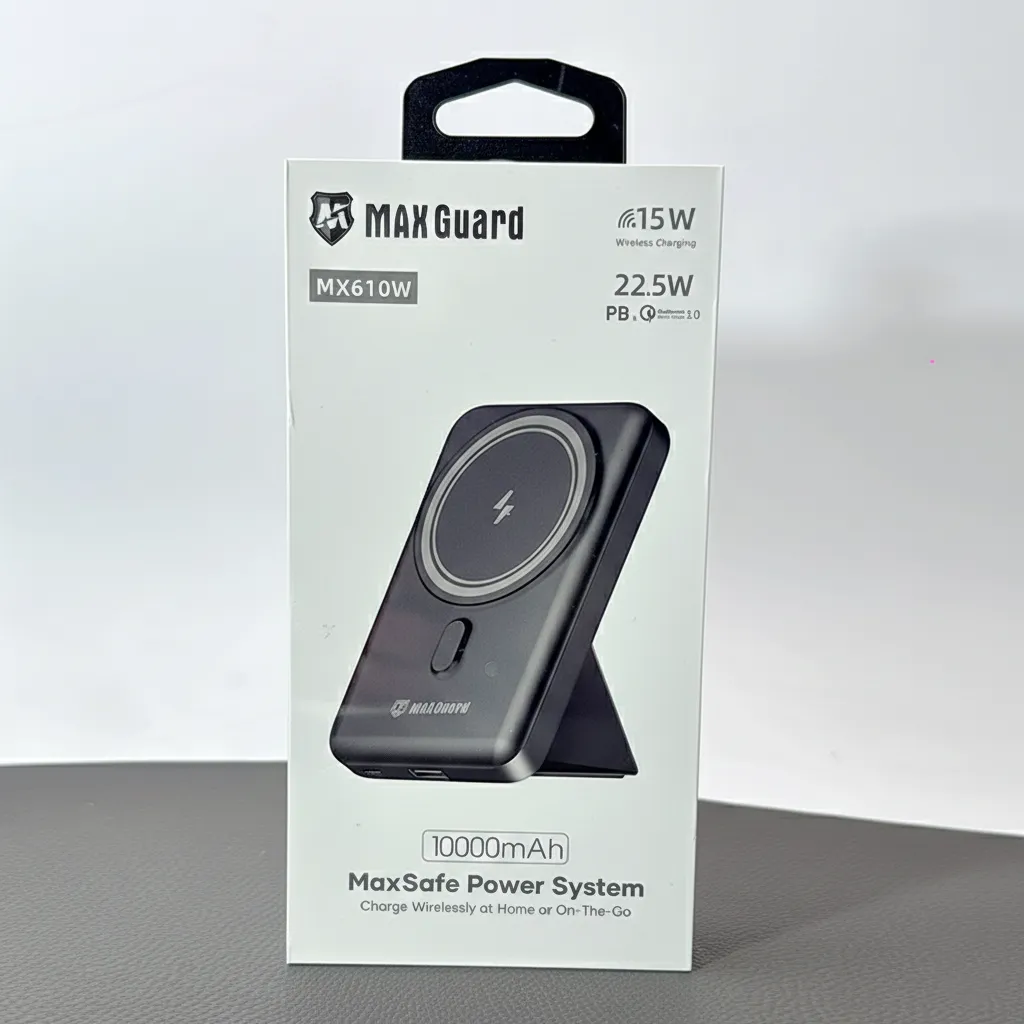
For Australian consumers who prioritise unparalleled performance, cutting-edge technology, and robust build quality, a selection of premium power banks stands out. These devices are engineered to provide maximum power, speed, and versatility, catering to the demanding needs of professionals, frequent travellers, and users with multiple high-power devices, including laptops.
1. Anker PowerCore III Elite 25600mAh with 60W PD
The Anker PowerCore III Elite 25600mAh represents a formidable choice for Australian users requiring significant portable power. This power bank boasts a substantial 25600mAh capacity, positioning it as an ideal companion for extended trips or scenarios where multiple device charges are necessary. Its primary distinction lies in its 60W Power Delivery (PD) output, delivered via a USB-C port, which enables rapid charging of most modern laptops, such as the MacBook Pro, Dell XPS, or HP Spectre, alongside high-end smartphones and tablets. In addition to the powerful USB-C PD port, it typically includes two USB-A ports with Anker’s proprietary PowerIQ 3.0 technology, intelligently adapting charging speeds for various devices up to 18W.
Constructed with premium materials, the PowerCore III Elite exhibits excellent durability and a sleek, sophisticated aesthetic. Anker’s renowned safety features, including overcharge, over-discharge, short-circuit, and temperature protection, are meticulously integrated, ensuring safe and reliable operation. While its physical dimensions are larger than smaller capacity power banks, reflecting its substantial battery cells, its weight and form factor remain manageable for inclusion in a backpack or briefcase. The inclusion of a travel pouch further enhances its portability and protection. This power bank is highly recommended for professionals who frequently work remotely, students who require reliable laptop charging on campus, and anyone who demands the utmost in portable power and charging speed.
2. Cygnett ChargeUp Pro 27000mAh with 100W PD
The Cygnett ChargeUp Pro 27000mAh stands as an exceptionally potent portable charging solution specifically designed for the most power-hungry devices, making it a compelling option for Australian users. Its colossal 27000mAh capacity, pushing close to the maximum airline carry-on limit, ensures extensive power reserves. The most striking feature of this device is its 100W Power Delivery (PD) output via a USB-C port, which is capable of fully charging even the most demanding USB-C powered laptops at their maximum supported speed, such as the 16-inch MacBook Pro, significantly reducing charging times compared to lower-wattage alternatives. Furthermore, it often includes additional USB-A ports, offering versatile charging for other devices simultaneously.
Cygnett, an Australian brand, designs its products with local consumer needs in mind, often incorporating robust build quality suitable for various conditions. The ChargeUp Pro is generally characterised by a solid, premium feel, emphasising durability. Safety certifications, including RCM compliance, are typically a hallmark of Cygnett products, providing peace of mind to Australian consumers. Its intelligent power management system dynamically adjusts output to match device requirements, optimising charging efficiency. Despite its high capacity and power output, efforts are generally made to maintain a relatively compact form factor, albeit a heavier one. This power bank is particularly suited for individuals who rely heavily on high-performance laptops and multiple devices, such as content creators, engineers, or digital nomads, who require uncompromising power on the go.
3. Zendure SuperTank Pro 26800mAh with 100W PD
The Zendure SuperTank Pro 26800mAh is engineered for the ultimate power user, distinguishing itself with an impressive array of features and exceptional performance. With a 26800mAh capacity, it provides substantial power for multiple charges of smartphones and extended usage for laptops. The device’s most compelling attribute is its four USB-C Power Delivery (PD) ports, with two of these ports capable of delivering a staggering 100W PD output individually. This unparalleled port configuration allows for the simultaneous fast charging of two high-power laptops or a laptop and multiple other devices, representing a significant advantage for users with complex charging ecosystems.
Beyond its raw power, the SuperTank Pro integrates an advanced OLED display, which provides real-time information on remaining battery percentage, input and output wattage for each port, and battery health, offering a level of transparency and control not found in many other power banks. Its robust aluminium unibody chassis not only contributes to a premium aesthetic but also ensures exceptional durability, making it suitable for demanding travel conditions. Zendure products are globally recognised for their quality and safety, incorporating comprehensive protection mechanisms. While its premium features come with a corresponding price point and a noticeable weight, the SuperTank Pro remains an indispensable tool for power users, IT professionals, photographers, and anyone who absolutely requires the highest possible charging versatility and speed in a portable package, making it a stellar choice for the discerning Australian consumer.
Mid-Range Power Banks
For the average Australian consumer seeking a balance between capacity, charging speed, features, and affordability, mid-range power banks offer compelling versatility. These options are typically well-suited for daily commuting, weekend trips, and general device top-ups, providing reliable performance without the premium price tag of high-end models.
1. Mophie Powerstation XXL 20000mAh PD
The Mophie Powerstation XXL 20000mAh PD offers a robust and dependable portable charging solution, ideally suited for everyday Australian use. With a substantial 20000mAh capacity, it provides ample power for multiple charges of a smartphone or a significant boost to a tablet. Its primary advantage lies in the inclusion of USB-C Power Delivery (PD) technology, typically offering an output of 18W or 20W, which enables faster charging for compatible smartphones and smaller tablets compared to standard USB-A outputs. Additionally, it generally features one or more USB-A ports, providing compatibility for a wider range of devices.
Mophie is a reputable brand known for its commitment to quality and sleek design. The Powerstation XXL typically features a soft-touch fabric finish, contributing to both aesthetics and grip, while its build quality ensures a durable product suitable for daily transport. Integrated safety features protect against overcharge, short-circuit, and temperature issues. While it may not charge high-power laptops at full speed, its PD output is perfectly adequate for keeping most modern smartphones and smaller devices rapidly topped up throughout the day. Its balanced blend of capacity, moderate fast-charging capabilities, and reliable brand reputation makes it an excellent, versatile choice for students, commuters, and general users seeking a dependable power bank without unnecessary premium features.
2. Belkin BoostCharge Power Bank 10K with Lightning Connector
The Belkin BoostCharge Power Bank 10K with Lightning Connector presents a highly specialised and convenient option, particularly appealing to Australian Apple users. Its 10,000mAh capacity is sufficient for approximately two full smartphone charges, providing a reliable power source for daily outings or short journeys. The standout feature of this power bank is the integrated Lightning input port, which allows Apple users to recharge the power bank itself using the same Lightning cable they use for their iPhone or iPad. This eliminates the need to carry an additional USB-C or micro-USB cable solely for the power bank, significantly enhancing convenience.
In addition to the Lightning input, it typically includes a USB-A output port, and sometimes a USB-C output with 18W Power Delivery, enabling fast charging for compatible iPhones. Belkin is a well-established brand recognised for its quality accessories and rigorous safety testing. The BoostCharge Power Bank generally features a compact and lightweight design, making it highly portable for everyday carry in a pocket or small bag. Its robust build quality ensures durability, and it incorporates comprehensive safety protections. This power bank is an exemplary choice for iPhone users in Australia who prioritise simplicity, seamless integration with their existing Apple ecosystem, and sufficient capacity for daily top-ups, making it an ideal companion for those seeking a streamlined charging experience.
3. Xiaomi Mi Power Bank 3 Pro 20000mAh (45W Fast Charging)
The Xiaomi Mi Power Bank 3 Pro 20000mAh offers exceptional value and performance within the mid-range category, making it a highly attractive option for Australian consumers. With a substantial 20000mAh capacity, it provides ample power for multiple device charges, including extended use for smartphones and tablets, and even offers a significant boost to certain laptops. Its key feature is the USB-C port with 45W Power Delivery (PD) input and output, which not only allows for rapid recharging of the power bank itself but also enables fast charging of a wide array of devices, including some entry-level and mid-range laptops that support 45W PD charging.
In addition to the USB-C PD port, it typically includes two USB-A ports, each capable of 18W Quick Charge (QC) 3.0, ensuring fast charging for a broad spectrum of Android smartphones and other compatible devices. Xiaomi is renowned for offering high-quality products at competitive price points, and the Mi Power Bank 3 Pro is no exception, delivering premium features without the premium cost. Its design is characterised by a sleek, minimalist aesthetic, often featuring a matte finish for improved grip and durability. Comprehensive safety features are integrated to protect against overcurrent, overvoltage, and short circuits. This power bank represents an outstanding choice for tech-savvy Australian users who desire high capacity, versatile fast-charging capabilities (including some laptop charging), and excellent value for money.
Budget-Friendly Options
For Australian consumers seeking reliable portable power solutions without a substantial financial outlay, budget-friendly power banks present viable options. While these models might forgo some premium features or the highest charging speeds, they consistently deliver essential functionality, making them suitable for occasional use, emergency backups, or those with less demanding charging requirements.
1. ROMOSS Sense 8+ 30000mAh Power Bank
The ROMOSS Sense 8+ 30000mAh Power Bank stands out as an exceptionally high-capacity, budget-friendly option for Australian consumers who require extensive portable power. Its colossal 30000mAh capacity provides an unparalleled number of charges for smartphones, several charges for tablets, and can even offer significant boosts to certain laptops, making it an ideal companion for extended travel, camping, or power outages. Despite its large capacity, its price point remains remarkably competitive, presenting substantial value.
The Sense 8+ is typically equipped with a versatile array of charging ports, including a USB-C port (often supporting 18W Power Delivery for both input and output), a micro-USB input, a Lightning input, and two or three USB-A output ports (often with Quick Charge 3.0 support). This broad compatibility ensures that it can charge a wide range of devices and be recharged using various common cables. While its physical size and weight are considerable due to the large battery cells, which might impact ultra-portability, its robust plastic casing offers adequate durability for general use. ROMOSS power banks generally incorporate standard safety protections against overcharge and short circuits. This power bank is highly recommended for Australian users prioritising maximum capacity and multi-device charging versatility above all else, particularly those on a budget who do not require the absolute fastest charging speeds but need long-lasting power.
2. Kogan 10000mAh Slim Power Bank
The Kogan 10000mAh Slim Power Bank represents a highly accessible and practical option for Australian consumers seeking a compact and affordable portable charger for everyday needs. With a 10000mAh capacity, it is capable of providing approximately two full charges for most smartphones, making it an excellent emergency backup or daily top-up solution. The primary advantage of this power bank lies in its slim and lightweight design, which significantly enhances its portability, allowing it to be easily carried in a pocket, small purse, or compact bag without adding noticeable bulk.
As a Kogan-branded product, it offers a cost-effective solution without compromising essential functionality. It typically features one or two standard USB-A output ports, capable of delivering standard 5V/2A charging, along with a micro-USB input for recharging the power bank itself. Some newer Kogan models may also incorporate a USB-C port for both input and output, potentially offering slightly faster charging speeds. While it lacks advanced fast-charging technologies like Power Delivery or Quick Charge, its straightforward operation and sufficient capacity cater perfectly to users with basic charging requirements. Integrated safety features provide protection against common electrical faults. The Kogan 10000mAh Slim Power Bank is an ideal choice for Australian users who prioritise extreme portability, a minimalist design, and an incredibly attractive price point for basic smartphone charging needs.
3. Enecharger ENCPB10000 10000mAh Power Bank
The Enecharger ENCPB10000 10000mAh Power Bank offers a reliable and no-frills charging solution specifically tailored for the Australian market. Enecharger is a brand commonly found in Australian retail electronics stores, known for providing practical and compliant power accessories. This particular model, with its 10000mAh capacity, is designed to provide sufficient power for at least two full smartphone charges, making it a dependable companion for daily commutes, short trips, or as an emergency backup.
Typically, the ENCPB10000 features standard USB-A output ports, delivering up to 2.4A, which is faster than basic 1A chargers but not quite as rapid as dedicated fast-charging technologies. It generally includes a micro-USB input for recharging the unit, maintaining simplicity and wide compatibility with existing cables. The build quality is typically solid and functional, prioritising durability over premium aesthetics, making it suitable for practical, everyday use. As an Australian-focused brand, Enecharger products are expected to meet local safety standards, including RCM compliance, which instils confidence in consumers regarding their electrical safety. Its compact form factor ensures easy portability, and its straightforward operation eliminates any complexity. This power bank is an excellent option for Australian consumers seeking a reliable, affordable, and locally accessible power bank for basic smartphone and small device charging, prioritising practicality and compliance.
Specialised Power Banks
While general-purpose power banks cater to a broad spectrum of users, certain Australian consumers possess unique requirements that necessitate specialised portable power solutions. These niche power banks are engineered with specific functionalities and enhanced durability to address particular environmental challenges or functional demands.
Solar Power Banks
For Australian outdoor enthusiasts, adventurers, and those who frequently venture off-grid, solar power banks offer an appealing proposition: the ability to recharge devices using renewable solar energy. These power banks integrate small solar panels, allowing them to slowly replenish their internal battery capacity when exposed to sunlight. This feature provides a crucial advantage in remote locations where traditional power outlets are unavailable, offering a self-sustaining power source for critical devices like GPS units, satellite phones, or emergency communication tools.
However, it is crucial to understand the limitations of solar power banks. The small integrated solar panels typically found on most consumer-grade models have very low wattage outputs, meaning they charge the power bank itself at an exceptionally slow rate. For example, a 10,000mAh power bank with a 1.5W solar panel might take several days of direct, optimal sunlight to fully recharge, as opposed to a few hours via a wall adapter. Consequently, solar charging should primarily be viewed as a supplemental or emergency charging method, rather than the sole means of replenishment. High-capacity power banks with integrated solar panels often feature larger, foldable solar arrays to improve charging speeds, but these designs inevitably increase the device’s size and weight.
For true viability in outdoor scenarios, users should consider solar power banks as a way to maintain a charge or incrementally extend the life of their devices, rather than expecting rapid recharges. It is always recommended to fully charge the power bank via a wall outlet before embarking on an adventure and to utilise the solar panel for maintenance or critical emergencies. The effectiveness of solar charging is also highly dependent on weather conditions, sunlight intensity, and panel orientation.
Jump Starter Power Banks
Jump starter power banks provide a compelling dual functionality, merging the utility of a portable charger with the critical capability of jump-starting a vehicle’s battery. These specialised devices are equipped with high-current output ports (often 12V) and robust internal batteries designed to deliver the momentary burst of power required to crank a car engine. For Australian drivers, particularly those who travel long distances, encounter remote areas, or own older vehicles, a jump starter power bank can be an invaluable emergency tool, eliminating the need for jumper cables and another vehicle.
Beyond their automotive function, these power banks typically feature standard USB-A and sometimes USB-C ports, allowing them to charge smartphones, tablets, and other portable electronic devices. This dual-purpose design makes them highly practical for general use while simultaneously serving as a crucial safety item. Key considerations when selecting a jump starter power bank include its peak cranking amps (CCA), which must be sufficient for the user’s vehicle engine size (e.g., 400A-600A for petrol engines, higher for diesel), and the inclusion of intelligent safety clamps that protect against reverse polarity, overcurrent, and short circuits.
While generally larger and heavier than standard power banks due to their specialised components, their robust build and essential emergency function justify the increased size. For Australian motorists, particularly those who frequent unsealed roads or remote regions where assistance might be delayed, a reliable jump starter power bank offers significant peace of mind and practical utility.
Ruggedised Power Banks
Australia’s diverse and often challenging environments, from dusty outback trails to coastal humidity and torrential rains underscore the need for highly durable and resilient electronic accessories. Ruggedised power banks are specifically designed to withstand these harsh conditions, making them an excellent choice for construction workers, outdoor adventurers, miners, or anyone operating in demanding environments.
These power banks typically feature robust exteriors constructed from impact-resistant materials such as reinforced plastics, rubberised coatings, and sometimes aluminium alloys. They are often certified with IP (Ingress Protection) ratings, indicating their resistance to dust and water ingress. An IP67 rating, for instance, signifies complete protection against dust and temporary immersion in water up to 1 meter for 30 minutes, offering substantial resilience against spills, rain, and dusty conditions. Beyond physical protection, ruggedised power banks often incorporate shock-absorbing internal components to safeguard their battery cells and circuitry from impacts.
While they may be bulkier and heavier than their standard counterparts, the enhanced durability and peace of mind they offer are invaluable in challenging Australian environments. Common features include integrated flashlights, carabiner attachment points, and secure port covers to prevent debris and moisture intrusion. For Australian consumers whose activities or professions expose their electronic devices to potential damage from environmental factors, a ruggedised power bank is a prudent investment, ensuring consistent power delivery even in adverse conditions.
How to Choose the Best Powerbank Australia Consumers Can Rely On
Selecting the optimal power bank in Australia requires a systematic evaluation of various factors, moving beyond mere capacity to encompass compatibility, regulatory adherence, and personal usage patterns. A thorough consideration of these elements ensures that the chosen device precisely meets individual needs and expectations.
Determining Your Capacity Requirements Based on Device Usage
The fundamental determinant for power bank selection is its capacity, which must align with the user’s primary device usage patterns. To accurately ascertain the required milliampere-hour (mAh) rating, consumers should first identify the battery capacities of the devices they intend to charge most frequently. For instance, a smartphone with a 3,500 mAh battery would receive approximately two full charges from a 10,000 mAh power bank, allowing for inherent energy conversion losses. If the primary intent is to recharge a tablet (e.g., 7,000 mAh) multiple times, or to provide substantial power to a laptop (which might require the equivalent of 20,000 mAh or more at the power bank’s internal voltage), a significantly higher capacity power bank, such as 25,000 mAh or 30,000 mAh, becomes imperative.
Furthermore, the frequency and duration of time spent away from traditional power outlets should be considered. Frequent commuters or casual users might find a 5,000 mAh to 10,000 mAh power bank sufficient for daily top-ups. Conversely, backpackers, international travellers, or individuals experiencing frequent power outages would benefit immensely from a 20,000 mAh or greater capacity to ensure sustained power over extended periods. An accurate assessment of individual device battery sizes and anticipated usage scenarios is therefore the initial and most critical step in determining appropriate capacity requirements.
Prioritising Charging Speeds: PD vs. QC for Modern Devices
The advent of various fast-charging technologies has made charging speed a crucial consideration, particularly for modern electronic devices. Australian consumers should prioritise a power bank that supports the fastest charging protocols compatible with their primary devices. USB-C Power Delivery (PD) is the industry-standard fast-charging protocol for many contemporary smartphones, tablets, and especially laptops. If one owns a recent iPhone, iPad Pro, or a USB-C charging laptop (e.g., MacBook, Dell XPS), a power bank with USB-C PD output (e.g., 18W, 30W, 45W, or 100W) is highly recommended for significantly reduced charging times.
Conversely, Qualcomm Quick Charge (QC) is predominantly found in Android smartphones and some accessories. If the majority of one’s devices are Android-based and support QC, a power bank with QC 3.0 or QC 4+ compatibility will offer optimised charging speeds for those specific devices. Many versatile power banks now feature multiple ports, offering both USB-C PD and USB-A with QC, thereby catering to a broader range of devices. However, it is essential to verify the specific wattage output for each port, as a mere “USB-C” label does not automatically imply PD support or high wattage. Prioritising charging speeds and specifically identifying the supported protocols ensures that devices are not only powered but also charged efficiently and expeditiously.
Understanding Airline Carry-on Regulations for Lithium-ion Batteries

For Australian travellers, particularly those undertaking domestic or international flights, understanding and adhering to airline carry-on regulations for lithium-ion batteries is paramount. The International Air Transport Association (IATA) and individual airlines impose strict limits on the capacity of portable power banks that can be carried onboard aircraft, solely within carry-on luggage; they are strictly prohibited in checked baggage due to fire risk.
Generally, power banks with a capacity of up to 100 Watt-hours (Wh) are permitted in carry-on baggage without special approval. To convert mAh to Wh, the formula is: Wh = (mAh * V) / 1000, where ‘V’ is the nominal voltage of the power bank’s internal battery (typically 3.7V). Thus, a 27,000 mAh power bank at 3.7V equates to approximately 99.9 Wh, making it permissible. Power banks with capacities between 100 Wh and 160 Wh (e.g., 30,000 mAh to 43,200 mAh at 3.7V) typically require airline approval and are limited to a maximum of two per passenger. Power banks exceeding 160 Wh are generally forbidden on passenger aircraft.
It is crucial for travellers to verify the exact Watt-hour rating printed on their power bank and to consult the specific airline’s regulations before departure, as rules can occasionally vary or be subject to interpretation. Non-compliance can lead to confiscation and potential delays. Therefore, for Australian frequent flyers, choosing a power bank with a capacity clearly within the 100 Wh limit ensures a hassle-free travel experience.
Evaluating the Importance of Portability and Form Factor
The portability and form factor of a power bank significantly influence its practical utility and user convenience. For individuals who intend to carry their power bank daily in a pocket or small bag, a slim, lightweight, and compact design is paramount. Power banks in the 5,000 mAh to 10,000 mAh range often fit this criterion, offering sufficient power for a quick top-up without adding significant bulk.
Conversely, high-capacity power banks (20,000 mAh or more) are inherently larger and heavier due to the increased number and size of internal battery cells. While these provide extended power, they are typically less suitable for pocket carry and are better accommodated in backpacks, briefcases, or travel bags. The physical dimensions, weight, and even the material finish (e.g., smooth vs. textured for grip) contribute to the overall portability and user experience.
Consumers should assess their typical carrying preferences and scenarios. An individual who primarily uses the power bank during desk-based work or extended travel where space is not a critical constraint might prefer a higher capacity, larger device. However, for those requiring a discreet and readily accessible power source throughout the day, prioritising a more compact and lighter form factor is essential. A mindful evaluation of these physical attributes ensures that the power bank integrates seamlessly into the user’s lifestyle.
Reviewing Manufacturer Warranties and Customer Support in Australia
Before making a purchase, a meticulous review of the manufacturer’s warranty and the availability of local customer support in Australia is a critical, albeit often overlooked, consideration. A robust warranty period (typically 12 to 24 months for reputable brands) provides recourse in the event of manufacturing defects or premature product failure, offering significant consumer protection. It is important to understand the terms and conditions of the warranty, including what types of issues are covered and the process for making a claim.
Furthermore, the presence of readily accessible customer support channels within Australia, such as local phone numbers, email support, or authorised service centres, is invaluable. This ensures that any technical queries, troubleshooting assistance, or warranty claims can be addressed efficiently and without the complications often associated with international support or shipping. Brands with a strong local presence often demonstrate a greater commitment to their Australian customer base, translating to more responsive and effective post-purchase service. Conversely, purchasing a power bank from an unknown brand with no discernible Australian support infrastructure might save money upfront, but could result in considerable frustration and expense if issues arise. Therefore, investing a few moments to investigate these aspects can significantly enhance long-term satisfaction and mitigate potential inconveniences.
Maintenance and Safety Best Practices
The optimal performance and longevity of a power bank, particularly a lithium-ion-based device, are significantly influenced by user adherence to best practices in charging, storage, and general maintenance. Proper care not only extends the operational life of the device but also ensures safety, mitigating potential risks associated with battery degradation.
Optimal Charging and Discharging Cycles
To maximise the lifespan of a power bank’s lithium-ion battery cells, it is generally recommended to avoid extreme charging and discharging cycles. Ideally, users should strive to keep the power bank’s charge level between 20% and 80% whenever possible. Constantly discharging the power bank completely to 0% can induce stress on the battery cells, accelerating their degradation over time. Similarly, maintaining a 100% charge for prolonged periods, especially when the device is not in use, can also contribute to reduced battery health.
When recharging the power bank, utilising a compatible charger that delivers the appropriate voltage and current (as specified by the manufacturer) is crucial. Overcharging protection circuitry built into reputable power banks will prevent damage once fully charged, but consistent overcharging can still subtly contribute to cell degradation. For optimal long-term health, once the power bank is fully charged, it is advisable to disconnect it from the power source rather than leaving it perpetually plugged in. Adhering to these optimal charging and discharging practices will significantly prolong the effective life of the power bank.
Storage Recommendations to Preserve Battery Health
Proper storage conditions are paramount for preserving the health and capacity of a power bank, particularly during periods of infrequent use. Lithium-ion batteries, including those found in power banks, are sensitive to extreme temperatures. Therefore, power banks should ideally be stored in a cool, dry environment, away from direct sunlight, excessive heat sources, and extreme cold. Temperatures above 35°C or below 0°C can irrevocably damage the battery cells, leading to a permanent reduction in capacity and potential safety hazards.
Prior to long-term storage (e.g., several months without use), it is advisable to charge the power bank to approximately 50% to 60% of its capacity. Storing a fully discharged power bank can lead to “deep discharge,” where the battery voltage drops below a recoverable level, effectively rendering the power bank unusable. Conversely, storing a power bank at 100% charge for extended periods can also accelerate capacity loss. Periodically checking the charge level every few months during storage and topping it up to the recommended range will further aid in maintaining battery health. Keeping the device in its original packaging or a protective pouch during storage can also safeguard it against physical damage and environmental fluctuations.
Common Issues: Overheating & Swelling
Users should be vigilant in identifying common issues that may indicate potential problems with their power bank, particularly overheating and battery swelling. Overheating during charging or discharging is a red flag. While some warmth is normal during operation, excessive heat that makes the device uncomfortable to touch suggests an internal fault, such as a short circuit, overloaded circuitry, or a damaged battery cell. If a power bank consistently overheats, it should be immediately disconnected from all devices and power sources and discontinued from use.
Battery swelling, characterised by a visible bulging or distortion of the power bank’s casing, is an unequivocal sign of a critical internal battery failure. This swelling is caused by the accumulation of gases produced during chemical reactions within the lithium-ion cells, often due to overcharging, physical damage, or manufacturing defects. A swollen power bank poses a significant safety risk, including the potential for fire or explosion. Under no circumstances should a swollen power bank be used or further charged. Both overheating and swelling necessitate the immediate cessation of use and proper disposal of the device. Attempting to repair a damaged power bank is strongly discouraged due to the inherent dangers of lithium-ion batteries.
Safe Disposal of Lithium-ion Batteries in Accordance with Australian Regulations
The responsible and safe disposal of lithium-ion batteries, including those contained within power banks, is a critical environmental and safety imperative in Australia. These batteries contain hazardous materials that can harm the environment if improperly disposed of in general waste, and they pose a fire risk if crushed or damaged in landfills.
Australian regulations prohibit the disposal of lithium-ion batteries in household waste bins. Instead, they must be taken to designated battery recycling facilities. Organisations such as Battery World, B-cycle, and various local council waste management centres often provide free drop-off points for spent batteries. Some electronics retailers may also offer take-back programs. Consumers should research local recycling options available in their specific area.
Before disposal, it is advisable to discharge the power bank as much as possible, if safe to do so (avoiding a swollen or overheating battery). Taping over the terminals with non-conductive tape (e.g., electrical tape) can also help prevent short circuits during transport and storage at the recycling facility. Adhering to these safe disposal practices ensures that hazardous materials are managed responsibly and contributes to environmental protection and community safety.
Conclusion: Making the Right Choice
This review highlights the importance of informed decision-making when selecting the best powerbank Australia consumers can rely on, considering factors such as capacity, max output, charging technologies, build quality, and real-world usability. Whether powering up a Samsung Galaxy, AirPods, Apple Watch, or using a laptop power bank with USB-C PD, choosing the right solution ensures reliable battery life and safe performance across devices, including wireless chargers and magnetic power bank options like MagSafe.
For consumers and retailers seeking the best powerbank Australia has to offer, sourcing from a trusted local supplier is equally important as product selection. Skyline Mobile provides a curated range of high-quality power banks suited to Australian usage standards, with reliable stock availability and competitive pricing. Explore Skyline Mobile’s range to confidently choose a power bank that delivers performance, safety, and long-term value for everyday and professional use.