TL;DR: Which Wholesale iPhone Cases Should Retailers Stock?
Start with clear, slim, rugged, wallet and magnetic cases for the iPhone models your customers use most. To avoid unsold stock, check model compatibility, offer different price points and begin with manageable quantities. Review customer demand and sales regularly before expanding your range.
Choosing the right wholesale iPhone cases is about more than filling shelves with different colours and designs. Retailers need a useful mix of styles, protection levels and price points that suit their customers.
Clear cases, rugged covers and wallet designs all serve different needs. The challenge is deciding which ones to stock, which iPhone models to cover and how much inventory to keep.
A balanced range gives customers enough choice without leaving your business with too many slow moving products.
Which iPhone Case Styles Should Retailers Stock?
Not every customer wants the same type of case. Some prefer a simple design, while others want extra grip, card storage or support for magnetic accessories.
Clear and Slim Cases
Clear cases are a practical starting point. They appeal to customers who want to show off their iPhone’s original colour without covering its design.
Slim cases suit shoppers who prefer something lightweight that fits comfortably into a pocket or bag. They can also appeal to customers who dislike bulky phone covers.
Retailers can start with a few neutral and transparent options for popular models, then add colours based on demand.
For example, browsing the available iPhone 17 case range can help retailers compare clear, slim and other everyday styles.
Rugged and Protective Cases
Some customers are more concerned about protection than appearance. Rugged cases may suit people who work outdoors, travel frequently or want a sturdier cover for everyday use.
Look for features such as reinforced corners, raised edges around the screen and camera, and textured sides for grip.
However, not every rugged case offers the same level of protection. Check the manufacturer’s specifications before making claims about drop resistance.
Retailers serving customers with larger devices can also explore protective styles for larger iPhones to compare different designs.
Wallet and Magnetic Cases
Wallet cases combine phone protection with space for cards. Some have a folding cover, while others use a detachable card holder.
These designs can appeal to customers who prefer carrying fewer items.
Magnetic cases are another useful option. They suit shoppers who use compatible wireless chargers, car mounts or other magnetic accessories.
Check whether the case supports the customer’s intended accessories. A magnetic design does not automatically guarantee compatibility with every charger or mount.
A small selection of wallet and magnetic cases can help retailers offer something beyond standard covers.
Which iPhone Models Should Retailers Prioritise?
Stocking every iPhone model in every colour is rarely practical. A better approach is to focus on the devices your customers actually use.
Newer models, including the iPhone 18 Pro range and iPhone 17 family, are worth considering when planning new stock. However, customers may still need cases for iPhone 16, iPhone 15 and earlier models.
The right balance depends on your sales records and customer enquiries.
Before ordering, check each product’s exact model compatibility. Similar looking iPhones can have different camera layouts, button positions and dimensions.
Apple’s iPhone model identification guide can help retailers distinguish between different generations.
Keep case variants clearly labelled so customers can find the correct fit without confusion.
How to Build a Balanced Wholesale Case Range
A good wholesale range should offer variety without creating unnecessary inventory.
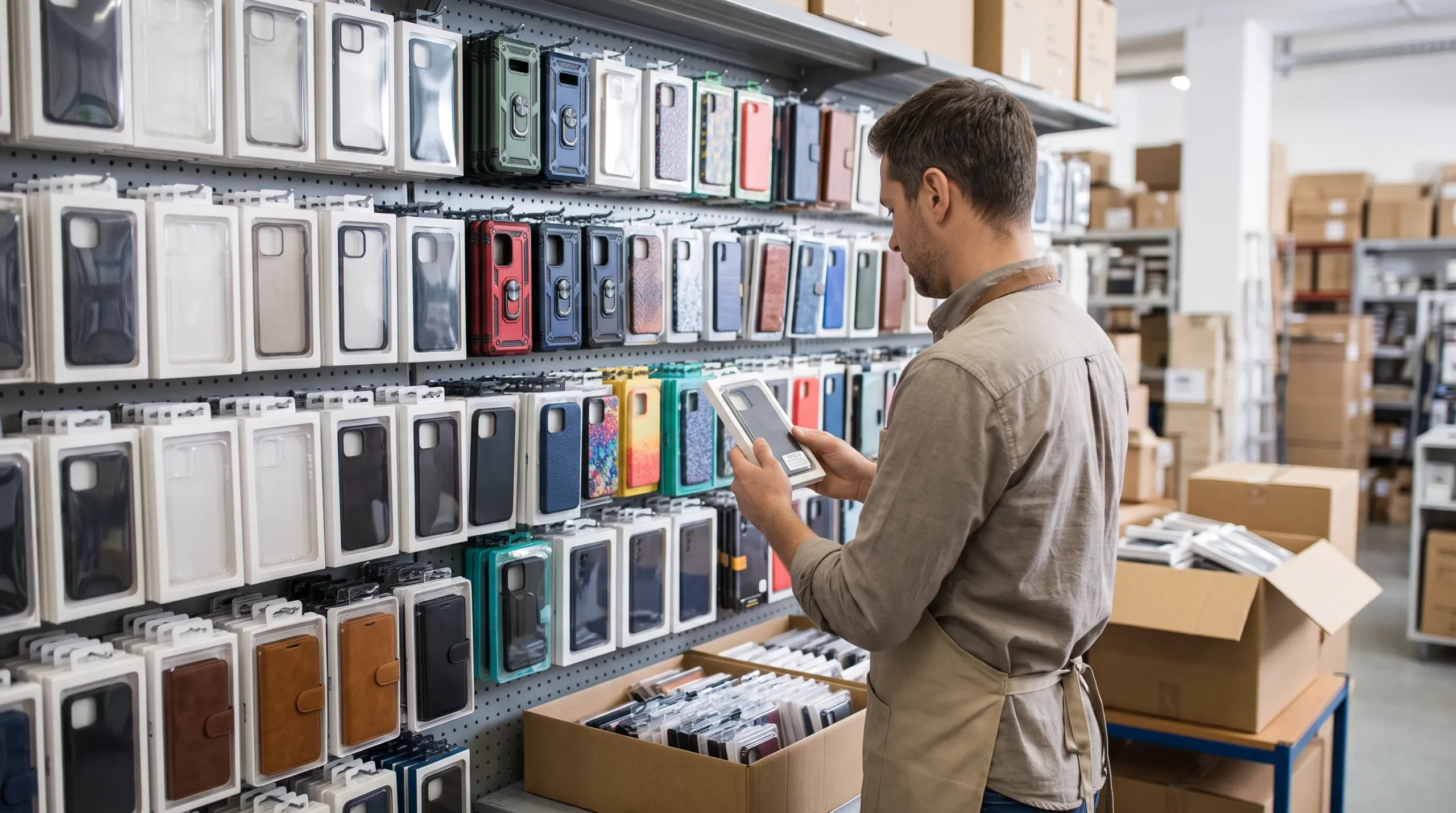
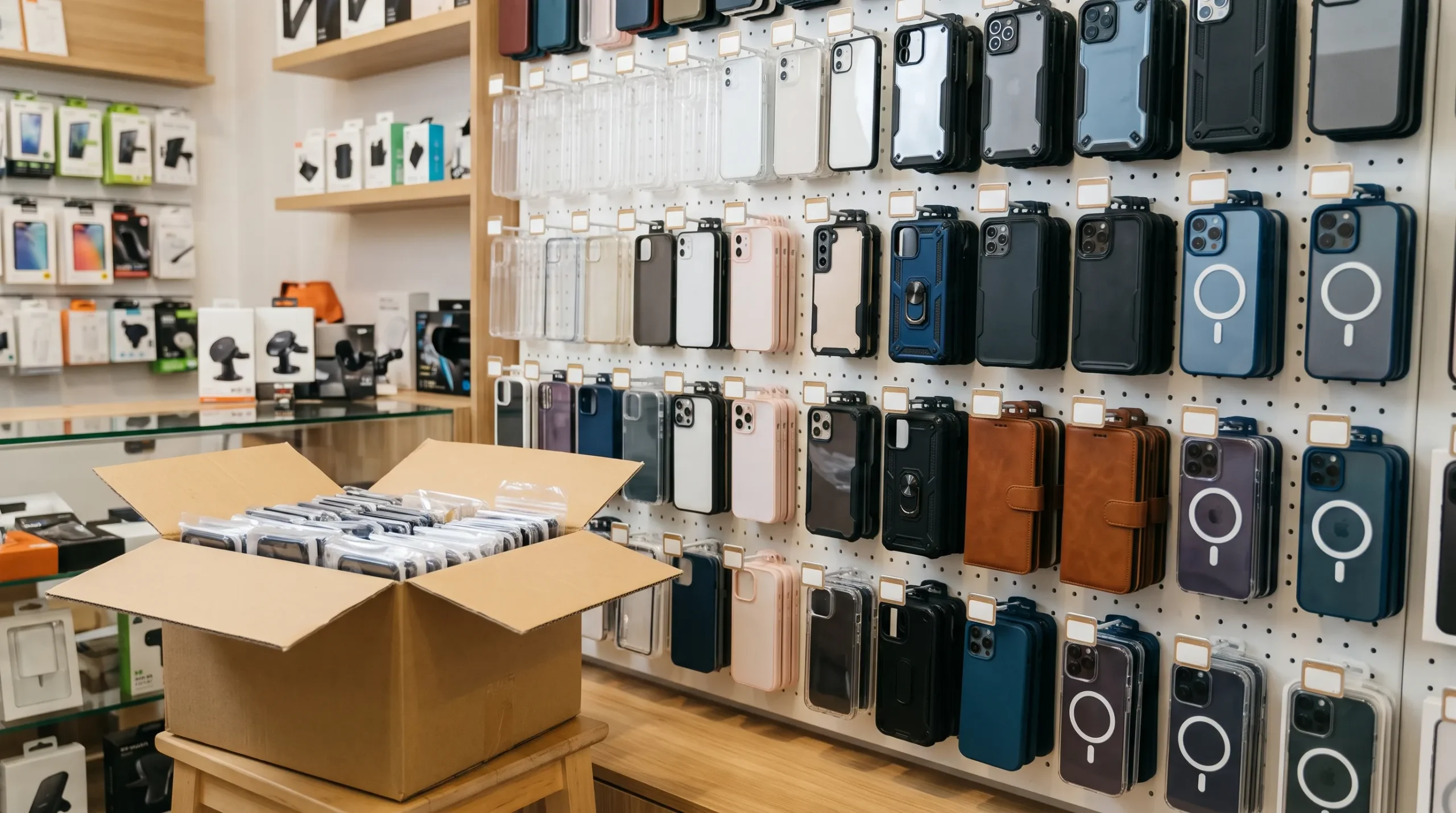
Start with the case styles customers ask for most often. Clear and slim cases can form part of an everyday selection, while rugged, wallet and magnetic designs give shoppers more choice.
Consider your customer audience as well.
A phone repair shop may benefit from keeping common models and protective styles available for customers collecting repaired devices. An online reseller might offer more colours and designs while holding smaller quantities of each.
Price matters too. Offering affordable everyday cases alongside selected premium options can suit customers with different budgets.
When testing a new style, consider ordering smaller quantities where possible. Review what sells before increasing your order.
The Australian Government’s inventory management guidance explains how tracking stock levels and sales can help businesses make better purchasing decisions.
Consider Related Accessories
Phone cases are often purchased alongside other accessories, particularly screen protectors.
Customers who have recently bought or repaired an iPhone may want both products at the same time.
Retailers can consider keeping iPhone screen protectors available for the same models as their case range.
Charging accessories and phone mounts may also be relevant, especially for customers choosing magnetic cases.
The aim is to offer useful complementary products rather than stocking unrelated accessories simply to increase the range.
What to Check Before Ordering Wholesale iPhone Cases
Before placing a larger order, check the case’s materials, fit, finish and product information.
Buttons should remain easy to use, camera openings should align correctly and the case should fit the intended device.
Where possible, test samples before committing to larger quantities. This can help identify problems with fit, grip or packaging.
Retailers should also avoid making unsupported claims about protection or durability. The ACCC’s consumer guarantees guidance explains important responsibilities when selling products to Australian consumers.
Once you know which styles you want, compare ordering requirements, availability and supplier support.
For more purchasing advice, read Skyline Mobile’s guide to choosing wholesale phone case suppliers in Australia.
Where to Buy Wholesale iPhone Cases in Australia
The best case range is one that suits your customers and can be restocked without tying up too much money.
Start with popular models, offer a practical mix of styles and review demand regularly. You can then expand into more colours, designs and specialised cases as your sales grow.
For Australian retailers, repair shops and online resellers, Skyline Mobile offers a selection of cases for different devices and customer needs. Explore its wholesale mobile phone cases to compare available styles and plan your next order.
Frequently Asked Questions
1. Which wholesale iPhone cases should retailers stock first?
Start with clear, slim and rugged cases for the iPhone models your customers use most. These styles cover different preferences for appearance and protection. Add wallet and magnetic cases as demand grows to avoid spending too much on slow moving stock.
2. How can retailers avoid buying iPhone cases that do not sell?
Check your sales history and customer enquiries before ordering. Start with smaller quantities of new styles and colours, then restock the ones that sell consistently. Avoid carrying too many variations for models with limited demand.
3. Should retailers stock cases for older iPhone models?
Yes, if customers are still using those models. Not everyone upgrades to the latest iPhone each year. Review customer requests and past sales to decide which older models are worth keeping in stock.
4. How can retailers prevent compatibility issues when ordering iPhone cases?
Check the exact iPhone model listed by the supplier before purchasing. Pay attention to camera openings, button positions and accessory compatibility. Testing samples before placing larger orders can help prevent incorrect purchases and customer returns.
5. How can retailers choose the right quantity of wholesale iPhone cases?
Base your order quantities on customer demand, available budget and how quickly your supplier can restock products. Begin with manageable quantities, track which styles sell and increase orders only when demand is consistent. This helps reduce excess inventory and protect cash flow.